February 4th, 2015
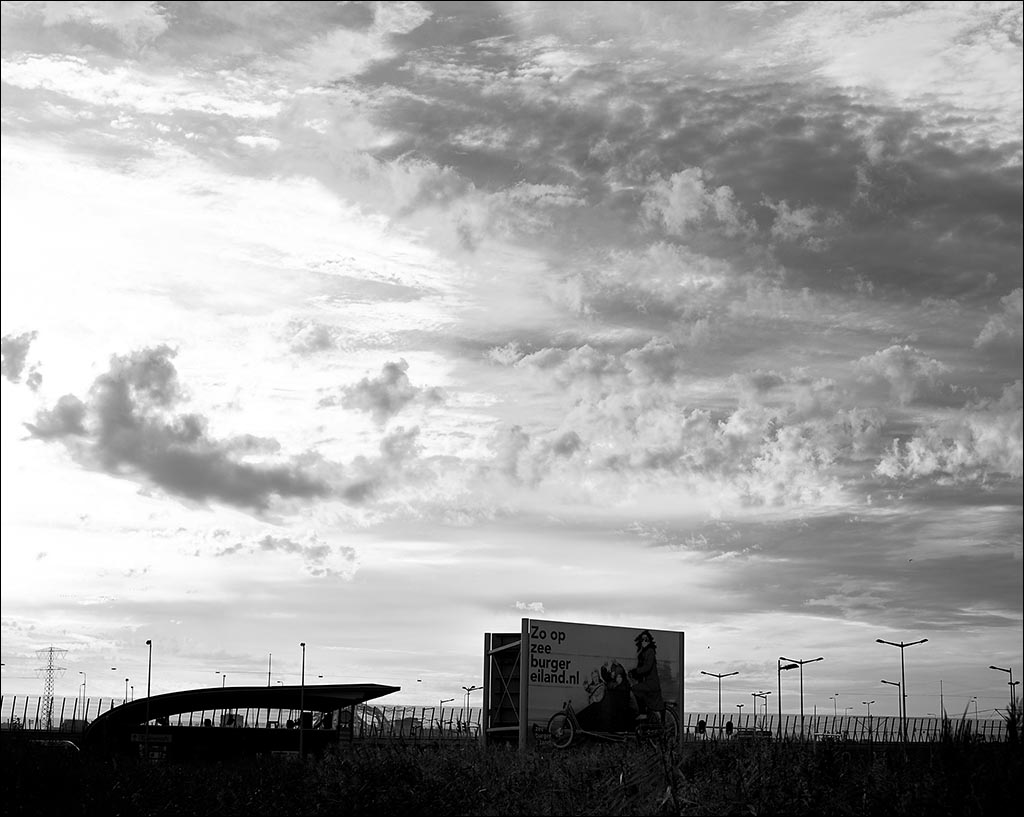
Amsterdam still is a steadily growing capital with lots of potentials in and nearby its old harbour areas. Espacially the artificial sand islands of the IJburg area in the east of the city centre offer lots of possibilities.
Ever since the city’s foundation, a key characteristic was the lack of space. If there was a need of habitable land, it had to be created. Bordered by the IJ, Zeeburgereiland is part of the 1990 founded “IJburg” district consisting of artificial islands. The very first idea for these areas goes back to the mid-1960s when two architects presented the “plan Pampus” which already based on the creation of new islands in the IJmeer.
In former times, swamps and wetlands were levelled up by dumping large amounts of waste, rubble, soil and or sand, until the desired surface level was reached. Later also “polders” – land reclamations situated below the water level in the surrounding areas and enclosed by dams while inside a well-thought-out system of ditches, drainage, waterways and pump stations prevents them from flooding – were created. Based on the “plan Pampus”, IJburg differs from the polder creating method, it consists of artificial islands. A water system which is separated from the surrounding lake by a system of sluices ensures the maintain of required water levels so no general pumping is necessary. Pumping stations were built only to back up the drainage under all conditions. A further system of dams and embankments protects the islands from the IJmeer and rising sea levels.
The new area of IJburg became reality in the beginning of the 1990s and finally started in 1997. The first homesteaders arrived only five years later. The city areas when completed will inhabit approximately 45 thousand people and offer about twelve thousand jobs. “Urban Planning”, a relatively new, and constantly self-justifying discipline has yet to fully heal its reputation from the misguided and heavy-handed plans that defined the field up to the early 1980s. As a result, an enormous variety of architectural gems can be discovered, stating a strong statement about the legitimacy of the theories of Urban Planning and its disciplines today. These districts to the interested in architecture became famous and well-known all over the world.
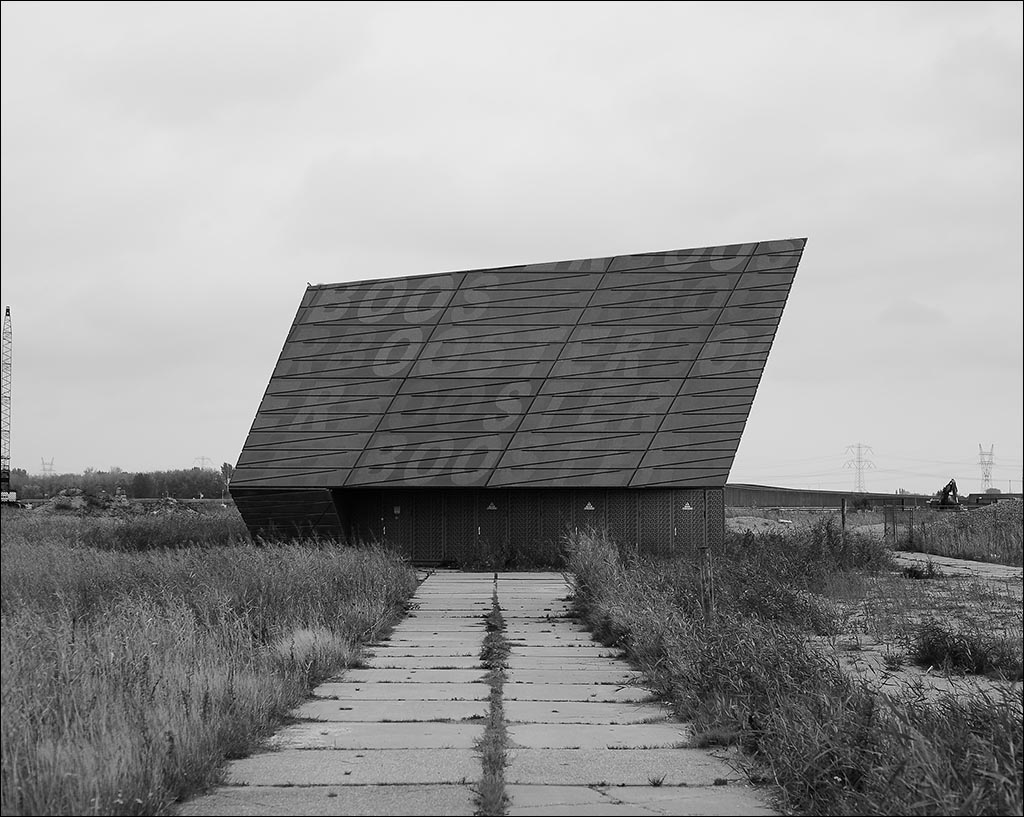
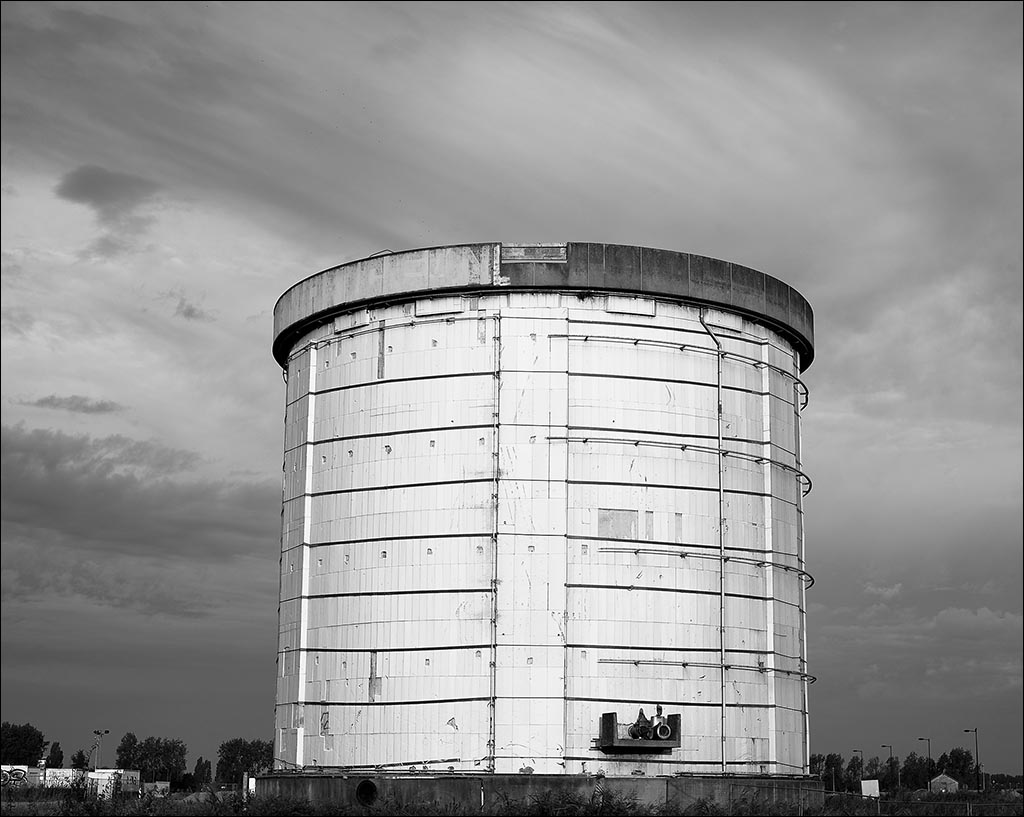
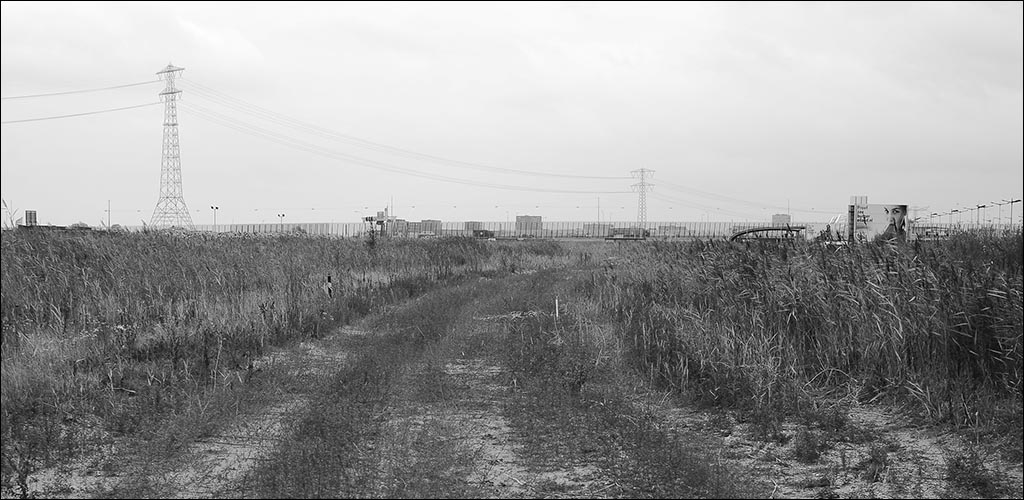
Inmidst these brand-new city areas, Zeeburgereiland got at first the part of Cinderella. Raised at the beginning of the 20th century as a military area with a shooting range and a seadrome it has been “degraded” since the mid-1950s as an outpost just to connect the new main traffic arteries around the capital. Due to environmental pollution caused by the former use and a long course of decontamination and dismantling works, it became part of the regional development planning at the beginning of the 21st century. With an amount of a total of 5500 appartments it will follow the other quarter’s “tradition” in Urban Planning.
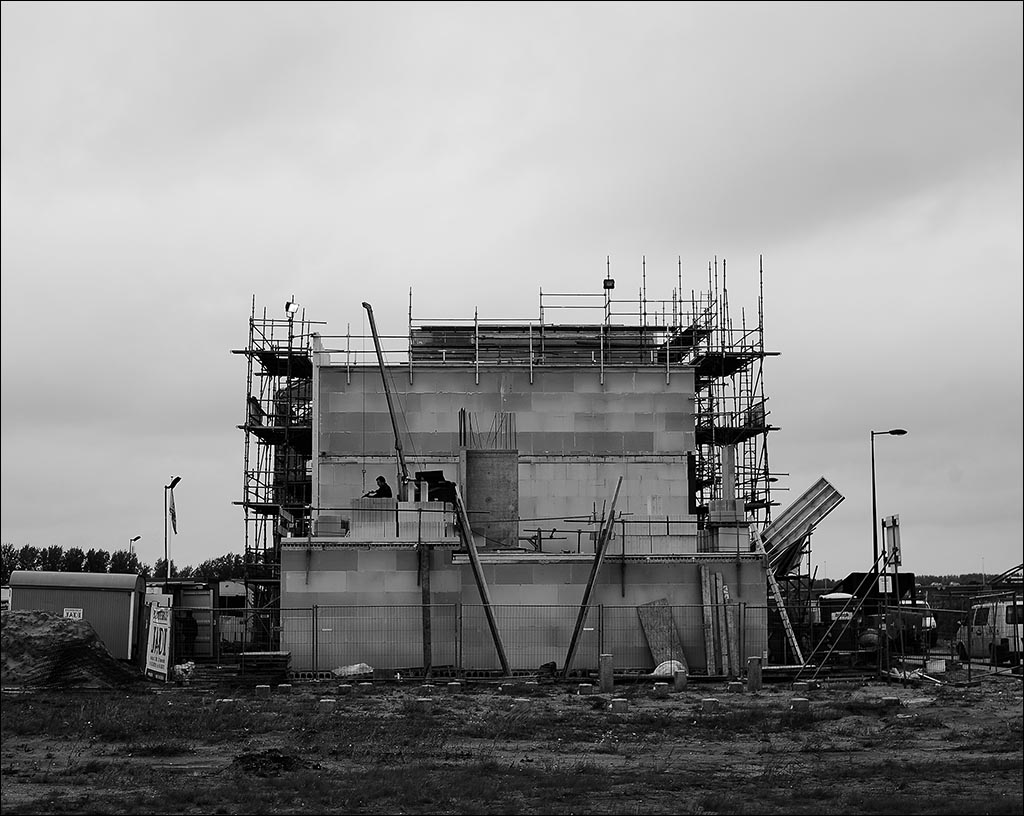
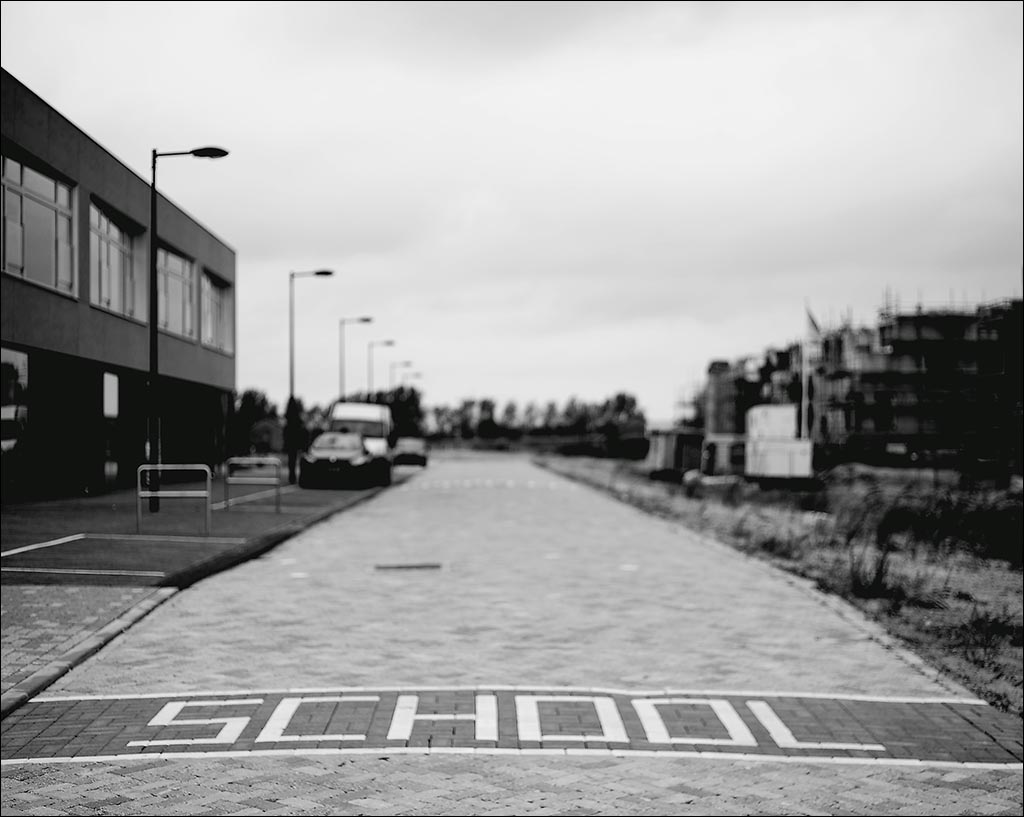
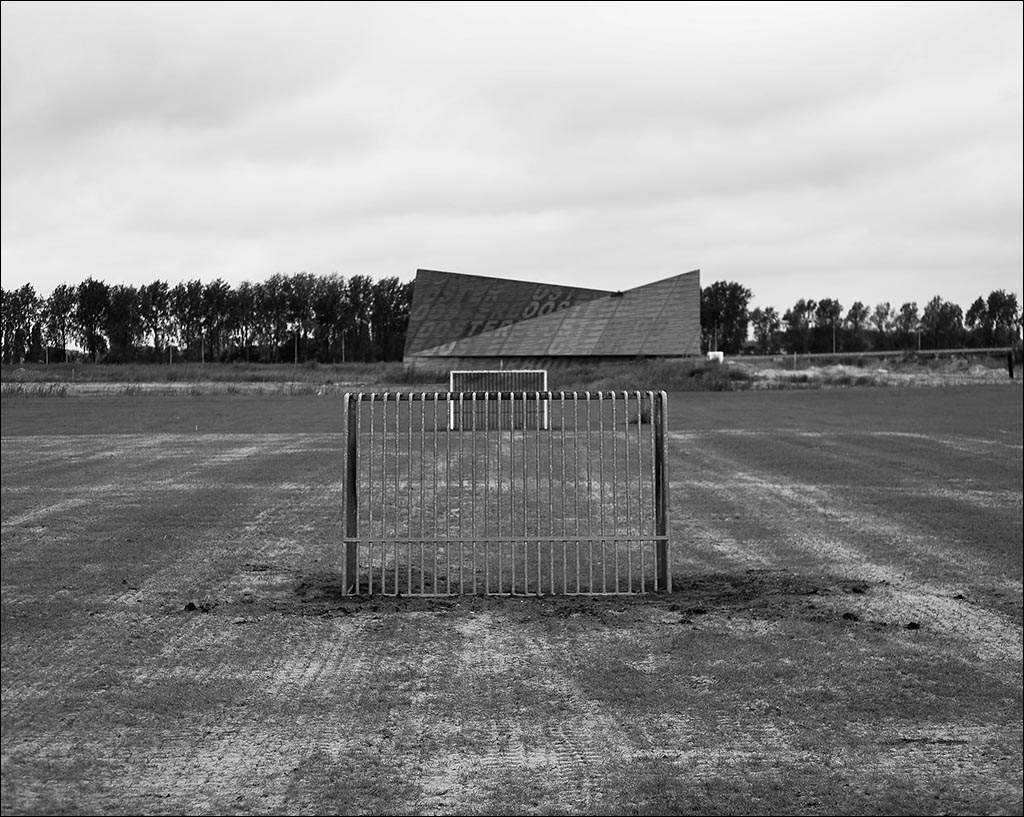
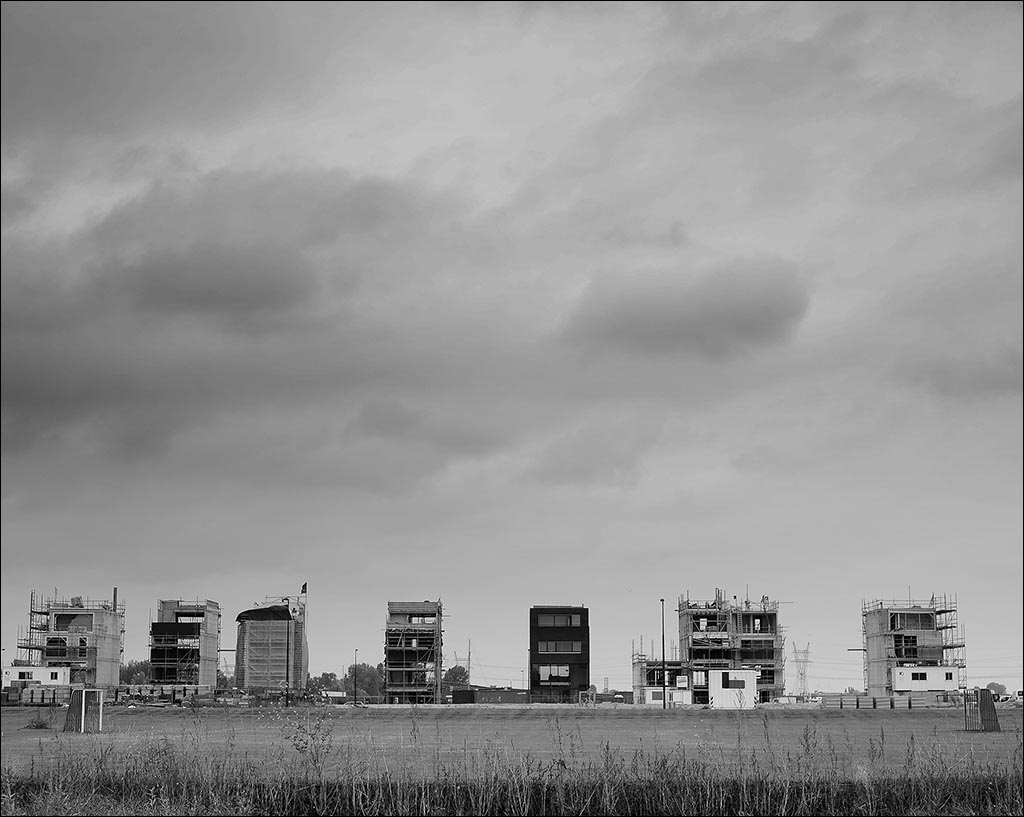
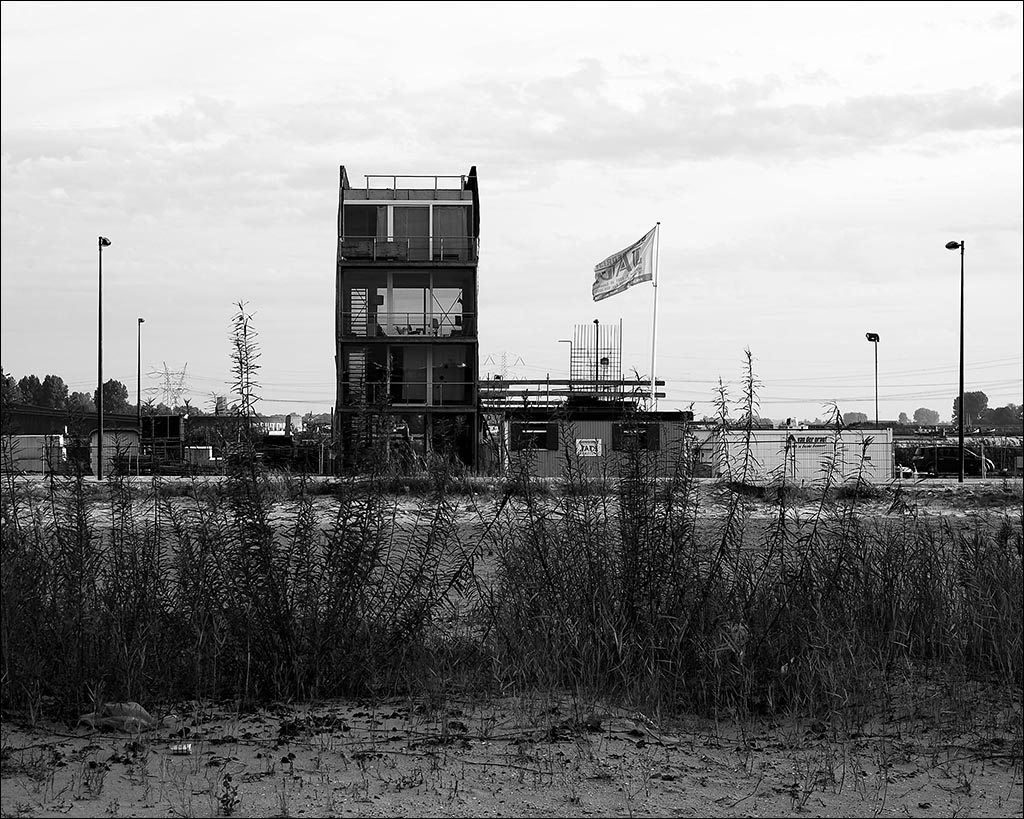
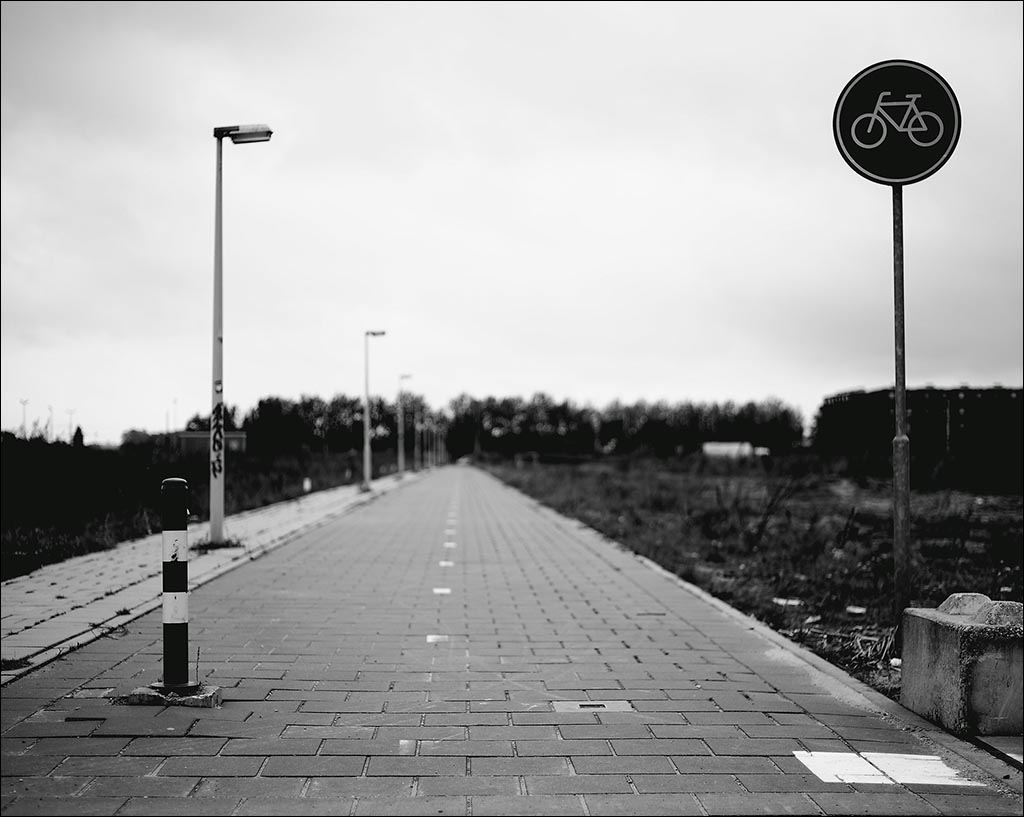
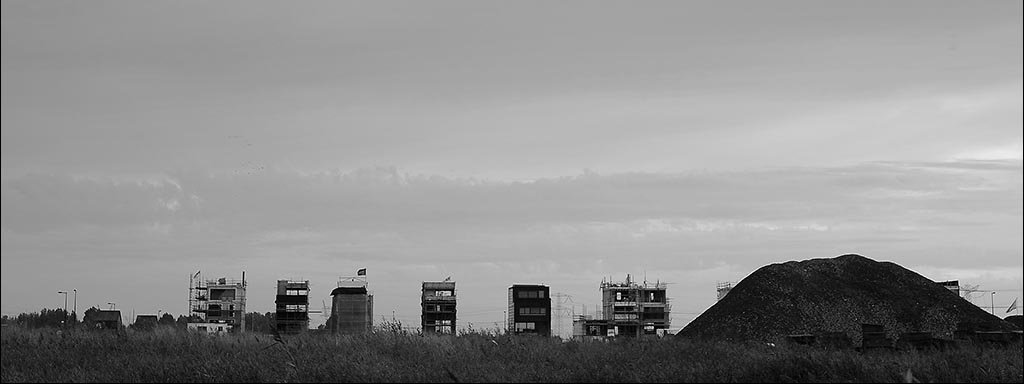
While the construction works on most IJburg’s islands are almost finished, Zeeburgereiland, not least because of the economical crisis is still at its very beginning of development. Actually, difficulties in real estate sales are obvious; even on normally most wanted properties right next to the waterline only some buildings are under construction. They appear like children’s bricks while huge parts of the vacant area remain desolate wasteland.